
In today’s competitive B2B landscape, product aesthetics are no longer just “nice to have”—they are a core component of brand identity and perceived value. If you are looking for a decoration method that combines photographic precision with industrial-grade durability, Heat Transfer Printing (HTP) is your strategic solution.
What is Heat Transfer Printing?
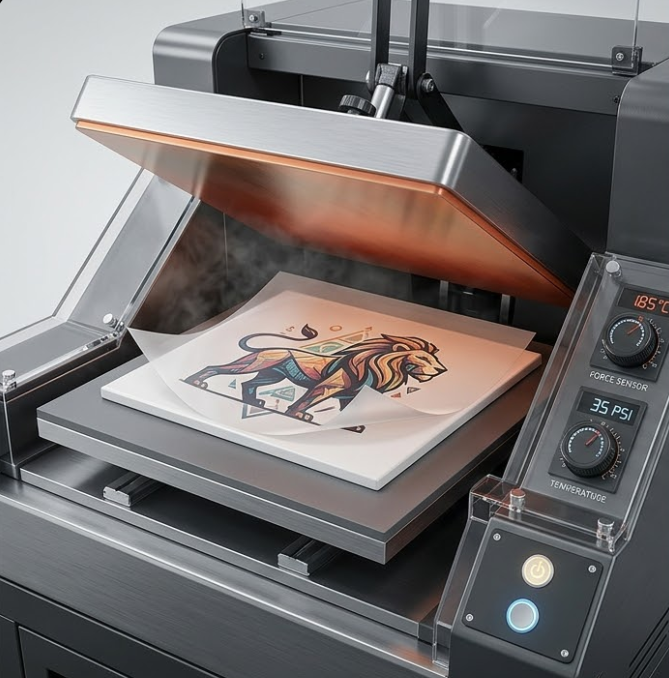
Heat transfer printing is a digital or screen-printed process where a design is first applied to a carrier film and then permanently bonded to a substrate using controlled heat and pressure. Unlike traditional direct printing, this method ensures a crisp, high-definition finish on everything from textiles to hard plastics.
Why Top Manufacturers Choose Heat Transfer
- Unrivaled Graphic Complexity: Achieve gradients, shadows, and photo-realistic images that traditional silk-screening simply cannot replicate.
- Superior Durability: The bonding process ensures the design is resistant to fading, scratching, and industrial washing, making it ideal for high-use environments.
- Cost-Effective Scalability: With minimal setup compared to multi-color screen printing, HTP allows for high-speed production and easy customization for seasonal or limited-edition runs.
- Material Versatility: Whether your substrate is polyester, ABS plastic, or coated ceramics, heat transfer provides a seamless, “no-label” look.
The Competitive Edge for Your Brand
By integrating heat transfer technology into your supply chain, you reduce lead times and eliminate the messy cleanup associated with direct-to-substrate liquid inks. It is a clean, dry, and eco-friendly process that meets the rigorous compliance standards of the modern global market.
Ready to elevate your product’s visual impact? Our engineering team is standing by to help you select the optimal film and machinery for your specific material. Don’t settle for “good enough” when you can have “extraordinary.”
Would you like me to create a technical comparison table between Heat Transfer and Screen Printing to help you decide which is better for your specific project?