
In the competitive global fashion market, color is more than just a design element—it is a core business asset. For brand owners, fabric suppliers, and garment manufacturers, color precision directly impacts market performance and inventory turnover.
- Eliminating “Color Gap”: A Universal Language
In B2B cross-border trade, subjective descriptions of color often lead to costly errors. The Pantone Matching System (PMS/TCX) provides a standardized digital language.
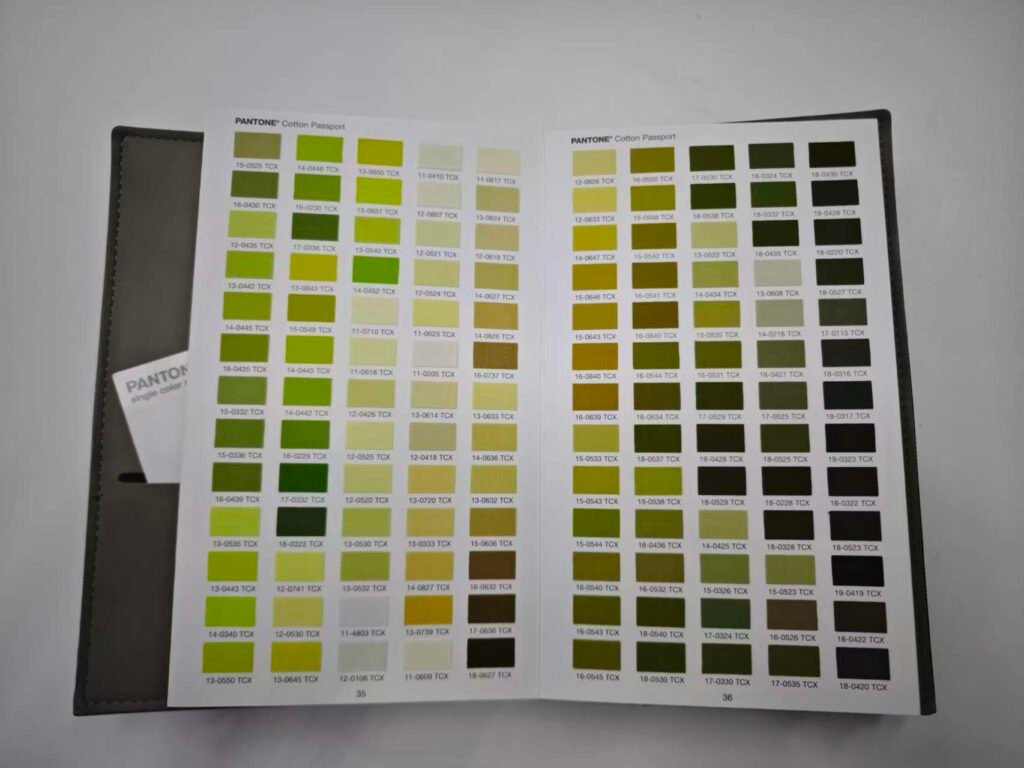

Seamless Communication: Whether it’s a designer in Milan or a dye house in Vietnam, a single Pantone code (e.g., Pantone 13-1023 Peach Fuzz) ensures perfect alignment.
Shortened Development Cycles: By reducing the number of Lab Dip revisions, Pantone shrinks the approval process from weeks to days, enabling a rapid response to fast-fashion demands.
- Trend Forecasting: Securing a Market Advantage
The release of the Pantone Color of the Year is not just a trend; it is a strategic roadmap for B2B procurement.
Proactive Sourcing: Fabric suppliers can use Pantone trend reports to pre-stock raw materials in high-demand shades, mitigating the risk of seasonal fluctuations.
Enhancing Client Value: Using Pantone-curated palettes helps brands build cohesive narratives across their SKUs, leading to higher order conversion rates.
- Quality Control: Consistency Across the Supply Chain
Fashion’s long supply chain makes maintaining color consistency across different materials (e.g., cotton vs. polyester) a significant challenge.
TCX & TPG Specialization: Utilizing specific Pantone libraries for different textiles ensures that mass production matches the original design with over 95% accuracy.
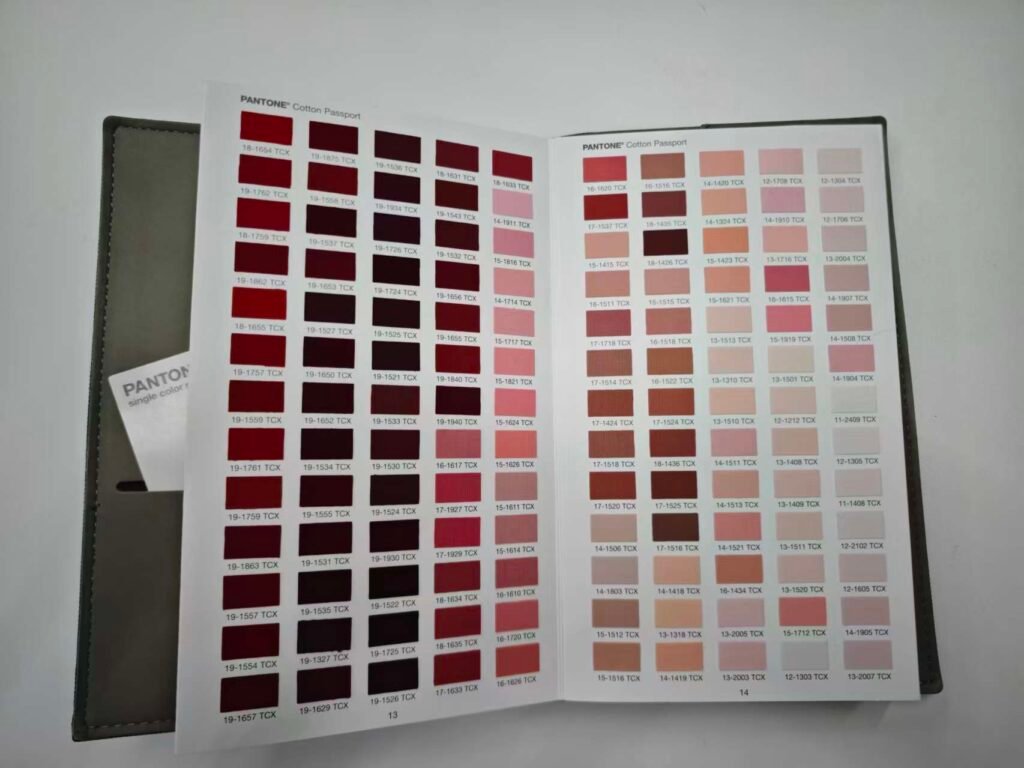
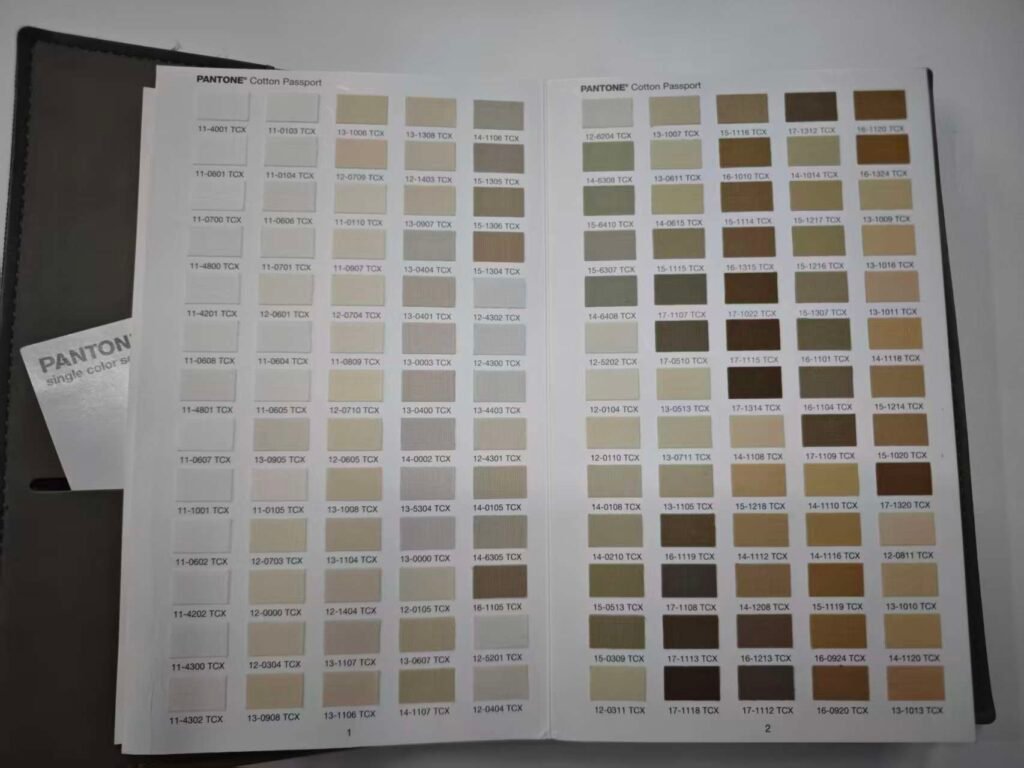
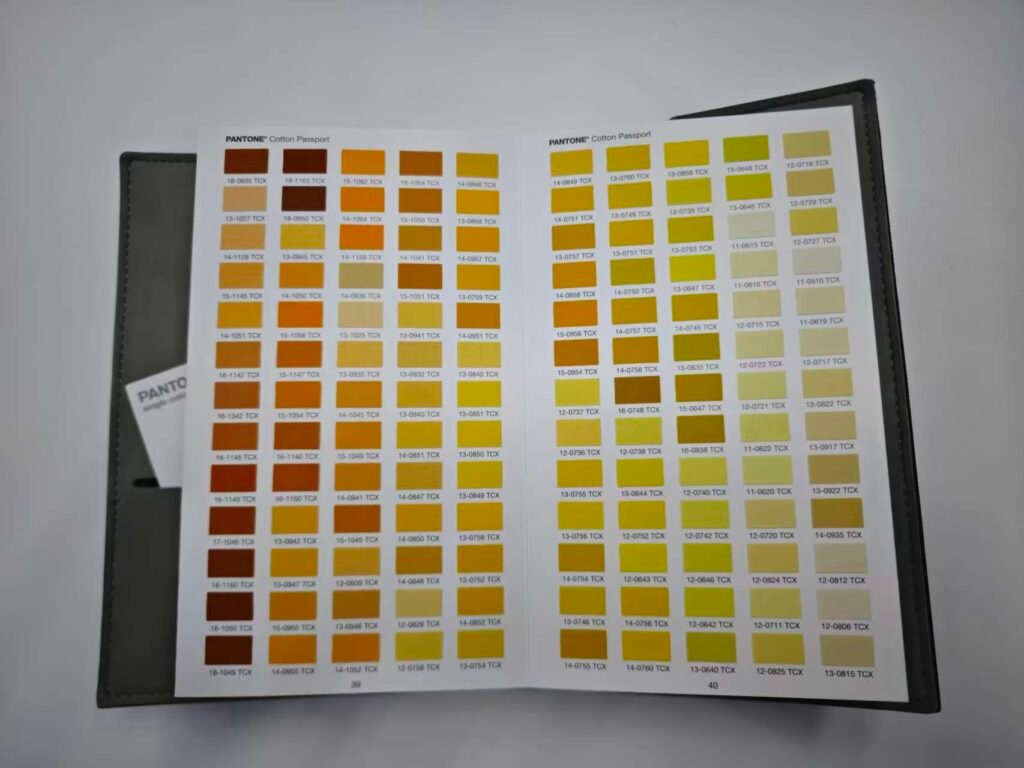
Protecting Brand Equity: Standardizing color ensures that garments produced by different factories worldwide maintain a unified visual identity, strengthening brand recognition at retail.
Conclusion: Color is Productivity. In the fashion B2B sector, adopting the Pantone system means lower communication costs, higher production efficiency, and sharper market foresight. It is more than a color guide—it is the standardized bridge connecting creative vision to industrial reality.